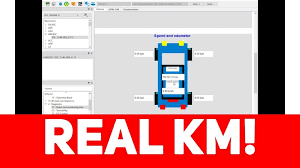

Introduction to DDT4ALL
DDT4ALL is a popular automotive diagnostic and configuration software mainly used for Renault, Dacia, Nissan, and some other compatible vehicles. Car enthusiasts, mechanics, and advanced users use this software to diagnose vehicle problems, activate hidden features, monitor sensors, and configure electronic control units. The software works by connecting a computer to a vehicle through an OBD2 interface. Before installing and using the software, it is important to understand the system requirements for ddt4all because the program depends on both hardware and software compatibility for proper performance. Many users face installation or connection problems simply because their computer or OBD adapter does not meet the necessary requirements. Understanding these requirements helps users avoid errors and ensures smooth communication between the software and the vehicle systems.
Operating System Requirements for DDT4ALL
One of the most important system requirements for DDT4ALL is the operating system. The software is mainly designed for Windows-based computers. Most users successfully run the application on Windows 7, Windows 8, Windows 10, and Windows 11. Although some advanced users may run it on Linux systems through compatibility tools, Windows remains the most stable and recommended platform for the software. A 64-bit operating system is preferred because it provides better compatibility with modern Python versions and drivers. However, DDT4ALL can also run on some 32-bit systems if the correct dependencies are installed properly. The operating system should also be updated regularly because outdated systems may lack important drivers or security components required for communication with diagnostic hardware. Users should avoid extremely old Windows versions because they may not support the latest Python libraries or USB drivers needed for the OBD interface.
Hardware Requirements for Smooth Performance
DDT4ALL is not a heavy software program, so it does not require an extremely powerful computer. However, a stable and reasonably modern system improves the user experience significantly. A computer with at least an Intel Core i3 processor or equivalent is generally enough for normal operation. Older dual-core processors may also run the software, but performance can become slower when reading large amounts of vehicle data or loading multiple ECU files. At least 4 GB of RAM is recommended for smooth multitasking, although 2 GB may still work for basic usage. The software itself does not consume large amounts of storage space, but users should keep at least 1 GB of free disk space for installation files, ECU databases, logs, and Python components. SSD storage is preferred because it improves loading speed and overall responsiveness of the application. A stable USB port is also necessary because the OBD2 interface usually connects through USB. Faulty or unstable USB ports can interrupt communication with the vehicle and may even cause incomplete ECU operations.
Python and Software Dependencies
DDT4ALL is built using Python, which means Python installation is one of the most important software requirements. Many versions of DDT4ALL require Python 3 to operate correctly. Users often install Python 3.7 or newer versions depending on the DDT4ALL release they are using. During installation, it is important to enable the option that adds Python to the system path because this allows Windows to recognize Python commands properly. Along with Python, several additional Python libraries are also required. These libraries may include PyQt for the graphical interface, serial communication packages, and CAN bus communication modules. Some DDT4ALL packages include these dependencies automatically, while others require manual installation through command-line tools such as pip. If the dependencies are missing or incorrectly installed, the software may fail to launch or crash during operation. Therefore, users should carefully follow installation instructions and verify that all required modules are installed correctly before attempting to connect to a vehicle.
OBD2 Adapter Compatibility Requirements
An essential requirement for DDT4ALL is a compatible OBD2 adapter because the software communicates with the car through this hardware device. The most commonly recommended adapters are ELM327-based interfaces. However, not every ELM327 adapter works properly with DDT4ALL. Cheap clone adapters often lack full CAN bus support and may fail during advanced diagnostic operations. For reliable communication, users should select high-quality ELM327 adapters that support both CAN and K-Line protocols. USB adapters are generally considered more stable than Bluetooth versions because they provide faster and more consistent communication. Some users successfully use Wi-Fi adapters, but connection stability can vary depending on network quality. The adapter must also support the correct baud rate required by the vehicle communication system. Using an incompatible or low-quality adapter may lead to communication errors, incomplete ECU readings, or failed configuration attempts. This is why experienced users strongly recommend purchasing tested and trusted OBD2 devices rather than the cheapest available option.
Internet and Database Requirements
Although DDT4ALL can function offline after installation, internet access is often required during the setup process. Users may need internet connectivity to download Python, drivers, ECU databases, and software updates. Some community forums and online repositories also provide updated ECU definition files that improve compatibility with newer vehicles. The ECU database is one of the most important components of DDT4ALL because it contains the configuration files used to communicate with different control modules. Without the correct database files, the software may not recognize certain vehicle systems. Users should ensure they download databases from trusted sources because corrupted or incomplete files may cause software errors. Maintaining updated databases also improves the software’s ability to support additional vehicle models and features over time.
Display and User Interface Requirements
DDT4ALL does not require a high-end graphics card, but a decent display resolution improves usability significantly. A minimum screen resolution of 1366×768 is recommended because the software interface contains many menus, sensor values, and configuration panels. Lower resolutions may make navigation difficult and cause certain windows or buttons to appear partially hidden. A laptop or desktop monitor with a larger screen allows users to monitor vehicle data more comfortably during diagnostics. Since the program uses a graphical user interface built with Python libraries, basic graphics support from the operating system is sufficient. Modern integrated graphics solutions from Intel or AMD are more than capable of handling the software without issues.
Safety and Performance Considerations
Meeting the technical requirements alone is not enough for safe usage of DDT4ALL. Users should also ensure that the vehicle battery is fully charged before performing diagnostics or configuration changes. Interruptions caused by low battery voltage may affect ECU communication and potentially create software-related issues within the vehicle system. A stable laptop battery or power source is also recommended because sudden computer shutdowns during ECU operations can be risky. Antivirus software may sometimes block Python scripts or communication ports, so users may need to allow exceptions for DDT4ALL components. Running the software with administrator privileges can also help prevent permission-related problems during communication with USB devices.
Conclusion
Ddt4all is a powerful automotive diagnostic and configuration tool, but its performance depends heavily on proper system compatibility. A modern Windows computer, compatible Python installation, stable OBD2 adapter, updated ECU database, and reliable USB connection are the primary requirements for successful operation. While the software itself does not demand expensive hardware, users should still ensure that their system is stable and correctly configured before connecting to a vehicle. Choosing high-quality adapters and keeping all dependencies updated greatly improves reliability and reduces the chances of communication errors. By understanding and meeting these system requirements, users can enjoy a smoother diagnostic experience and unlock the full capabilities of DDT4ALL safely and efficiently.