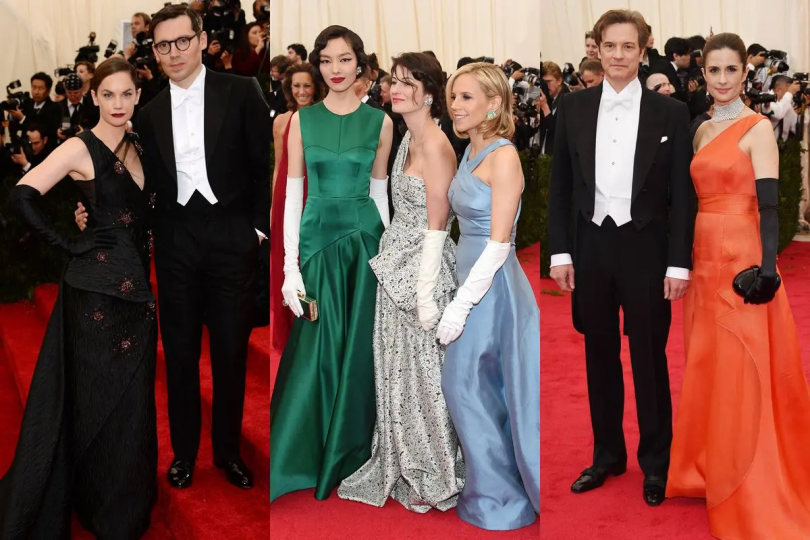

Introduction
Mastering the perfect look is not just about wearing expensive clothes; it is about understanding the right dress code for the right occasion. Whether you are attending a formal event, a casual gathering, a business meeting, or a social party, your outfit plays a powerful role in how others perceive you. This is where a proper dress code guide becomes essential for building confidence and making a lasting impression.
In today’s modern world, fashion is not limited to trends alone. It is a form of communication that reflects personality, professionalism, and lifestyle. When you follow the correct dress code, you not only look presentable but also feel more confident in any environment. Many beginners and even intermediate learners struggle with choosing the right outfit because they lack a clear understanding of styling rules. This guide will solve that problem by giving you a complete roadmap to dressing smartly and appropriately for every situation.
In this detailed article, you will learn what dress code means, why it is important, how to apply it step by step, its benefits, common mistakes, expert tips, and frequently asked questions. By the end, you will have a strong understanding of how to master the perfect look effortlessly and professionally.
What is Dress Code?
A dress code refers to a set of guidelines or rules that determine what type of clothing is appropriate for a specific occasion, environment, or event. It helps individuals decide what to wear based on formality, cultural expectations, and professional standards.
Dress codes are commonly used in workplaces, schools, weddings, parties, and formal events. For example, business formal requires suits and ties, while casual dress code allows jeans and t-shirts. Understanding these differences helps you avoid fashion mistakes and ensures you always look suitable for the occasion.
Dress code is not only about restriction; it is also about guidance. It helps maintain uniformity in professional environments and ensures that individuals present themselves in a respectful and appropriate manner. In fashion terms, it acts as a bridge between personal style and social expectations.
Why is Dress Code Important?
Dress code plays a significant role in personal and professional life. It influences first impressions, confidence levels, and overall personality presentation.
One of the main reasons dress code is important is that it creates a positive impression. People often judge others within seconds based on appearance. Wearing appropriate clothing shows respect for the event and the people involved.
In workplaces, dress codes maintain discipline and professionalism. They help create a serious and organized environment where employees feel motivated to perform better. In social settings, dress codes help avoid awkward situations where someone may feel underdressed or overdressed.
Another important reason is confidence. When you dress appropriately, you automatically feel more comfortable and self-assured. This improves communication, behavior, and interaction with others.
Detailed Step-by-Step Guide

Step 1: Understand the Occasion
The first step in mastering dress code is understanding the event or situation. Every occasion has a different level of formality. A wedding requires formal attire, while a picnic allows casual clothing. Always analyze the environment before selecting your outfit.
Step 2: Identify the Dress Code Type
Common dress code types include formal, business formal, business casual, smart casual, casual, and semi-formal. Each type has its own rules and expectations. For example, formal dress code includes suits, while smart casual allows a mix of relaxed and polished clothing.
Step 3: Choose Appropriate Clothing
After identifying the dress code, select clothing that matches the requirement. For formal events, choose suits, blazers, or elegant dresses. For casual settings, jeans, t-shirts, and comfortable shoes are suitable. Always ensure your outfit is clean and well-fitted.
Step 4: Focus on Color Combination
Color coordination is essential in dressing well. Neutral colors like black, white, grey, and navy are safe choices for formal occasions. Bright colors can be used in casual or festive events. Avoid mixing too many bold colors together.
Step 5: Select Proper Accessories
Accessories such as watches, belts, ties, handbags, and shoes complete your look. However, avoid over-accessorizing. Keep it simple and elegant, especially in professional environments.
Step 6: Maintain Grooming and Hygiene
No outfit looks complete without proper grooming. Clean hair, trimmed nails, and good hygiene are essential parts of any dress code. Grooming enhances your overall appearance significantly.
Step 7: Check Final Look Before Leaving
Always review your outfit before stepping out. Make sure everything is properly aligned, ironed, and suitable for the occasion. This final check helps avoid mistakes.
Benefits of Dress Code
- Enhances first impression and personality
- Builds confidence in social and professional environments
- Promotes discipline and professionalism
- Helps in better outfit selection and styling
- Reduces confusion about what to wear
- Improves social acceptance and respect
- Encourages organized and clean appearance
- Reflects maturity and awareness
Disadvantages / Risks of Dress Code
- Limits personal freedom in clothing choices
- Can feel uncomfortable for some individuals
- May create pressure to follow strict rules
- Expensive for formal wardrobe requirements
- Sometimes difficult to interpret correctly
- Cultural differences may cause confusion
- Over-focus on appearance instead of skills
Common Mistakes to Avoid
One of the biggest mistakes people make is ignoring the dress code completely. Wearing casual clothes to formal events can create a negative impression.
Another mistake is overdressing. Being too formal in a casual environment can also feel uncomfortable and awkward.
Many people also fail to match colors properly. Poor color coordination can ruin even an expensive outfit.
Ignoring grooming is another common issue. No matter how good your clothes are, poor grooming reduces overall impact.
Wearing inappropriate accessories is also a mistake. Over-accessorizing or using irrelevant items can distract from your overall look.
FAQs
1. What is the easiest way to understand dress code?
The easiest way is to observe the event type and follow basic categories like formal, casual, or business attire.
2. Can I mix different dress codes?
Yes, but only in smart casual styles where formal and casual elements are balanced carefully.
3. Why is formal dress code important?
Formal dress code is important because it creates professionalism, respect, and strong first impressions.
4. What is smart casual dress code?
Smart casual is a mix of relaxed and formal clothing, such as jeans with a blazer or stylish shoes.
5. How do I avoid dressing mistakes?
Always check the occasion, follow simple styling rules, and maintain proper grooming.
6. Is dress code necessary in daily life?
It is not mandatory, but it helps in improving appearance, confidence, and social acceptance.
Expert Tips & Bonus Points
Always invest in basic wardrobe essentials like plain shirts, formal shoes, and neutral blazers. These items can be used in multiple dress codes.
Focus on fit rather than brand. Well-fitted clothes always look better than expensive but loose outfits.
Keep your wardrobe organized so you can quickly select outfits based on occasions.
Follow fashion inspiration but adapt it to your personality instead of copying completely.
Learn layering techniques to enhance your outfit style without overcomplicating it.
Pay attention to fabric quality because it affects comfort and appearance.
Conclusion
Mastering the perfect dress code is an essential skill in today’s world where appearance plays a key role in both personal and professional success. Understanding how to dress appropriately for different occasions helps you build confidence, improve communication, and create strong first impressions.
This guide has explained everything from the basics of dress code to step-by-step styling, benefits, risks, mistakes, and expert tips. By applying these principles, anyone can improve their fashion sense without needing expensive clothing or professional styling experience.
Remember, dress code is not about limiting your style; it is about guiding you to present yourself in the best possible way. When you understand the balance between comfort, occasion, and style, you naturally develop a strong personal image.