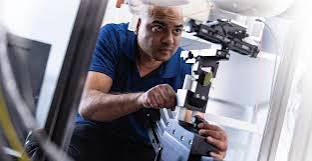

When a metal component fails, the consequences can be severe. A snapped bolt can bring down equipment, a cracked weld can rupture a pipeline, and a fractured axle can cause a serious accident. In the aftermath, questions follow quickly. What caused the failure? Was it a design flaw, a manufacturing defect, poor maintenance, misuse, or something else? And who is responsible?
Answering these questions in a legal setting often requires a metallurgy expert witness. This article explains what such an expert does, when one is needed, what makes a strong expert, and how to work with one effectively.
What Is a Metallurgy Expert Witness?
A metallurgy expert witness is a qualified professional who applies scientific knowledge of metals and alloys to help resolve disputes. They investigate failed parts, review evidence, perform or oversee testing, form opinions, and communicate those opinions in reports, depositions, and courtroom testimony.
Their role is not to take sides, but to provide objective, evidence-based analysis that helps a judge, jury, arbitrator, or insurer understand technical issues that are outside common knowledge.
When Is a Metallurgy Expert Needed?
Metallurgical expertise is valuable in many types of disputes.
Product liability. When a consumer or industrial product fails and causes injury or damage, an expert can determine whether a material or manufacturing defect was responsible.
Industrial accidents. Failures of pressure vessels, cranes, boilers, pipelines, and rotating machinery often involve questions about materials, welds, and heat treatment.
Construction and infrastructure. Cracked steel beams, corroded reinforcement, and failed fasteners can lead to claims involving contractors, suppliers, and engineers.
Transportation. Aircraft, rail, automotive, and marine failures may require detailed examination of components and fracture surfaces.
Contract and warranty disputes. If a supplier delivers material that does not meet specification, an expert can verify whether it conforms.
Insurance claims. Insurers use metallurgists to determine cause and origin and to evaluate whether damage is covered.
Intellectual property and quality disputes. Questions about processes, alloys, or counterfeit materials can also require technical analysis.
What Does the Expert Actually Do?
The work usually follows a logical sequence.
1. Review the case background. The expert studies the history of the part: design drawings, specifications, purchase records, maintenance logs, inspection reports, operating conditions, and witness statements.
2. Examine the evidence. The failed component is inspected visually, photographed, and documented before any cutting or cleaning takes place. Fracture surfaces are preserved carefully because they contain crucial clues.
3. Perform laboratory testing. Depending on the case, this may include chemical analysis, hardness and tensile testing, impact testing, metallography, scanning electron microscopy, and corrosion analysis.
4. Analyze the failure mechanism. The expert determines how the metal failed. Was it fatigue, overload, brittle fracture, corrosion, stress corrosion cracking, hydrogen embrittlement, creep, or wear? Each leaves distinctive evidence.
5. Identify the root cause. The next question is why. Was there a material defect, incorrect heat treatment, weld flaw, design weakness, improper installation, lack of maintenance, or unexpected loading?
6. Prepare a report. The findings, methods, and conclusions are set out in a clear, professional document that follows applicable legal requirements.
7. Provide testimony. If the case proceeds, the expert may give a deposition and testify in court, explaining technical points in plain language and responding to cross-examination.
Common Types of Failure Investigated
Fatigue failures occur under repeated loading and often start at small stress concentrations. Beach marks on the fracture surface can show where and how the crack grew.
Overload failures happen when the applied force exceeds the material’s strength. Ductile overload shows stretching and necking, while brittle failure looks flat and sudden.
Corrosion failures include general corrosion, pitting, crevice attack, galvanic corrosion, and stress corrosion cracking.
Weld failures can result from poor technique, incorrect filler material, lack of fusion, porosity, or inadequate heat treatment.
Manufacturing defects may include inclusions, segregation, improper forging, or casting flaws.
What Makes a Good Metallurgy Expert Witness?
Not every technical specialist makes an effective expert. Look for the following qualities.
Relevant education and experience. A strong background in metallurgy or materials engineering, plus practical experience with the type of component or industry involved.
Laboratory capability. Access to proper testing equipment and accredited procedures adds credibility to the findings.
Objectivity. The best experts follow the evidence wherever it leads, even if the results do not favor the client who hired them.
Communication skills. An expert must translate complex science into clear explanations for people without technical training.
Courtroom experience. Familiarity with depositions, cross-examination, and legal standards for admissibility helps the expert remain composed and credible.
Professional standing. Publications, industry participation, licensing, and a history of accepted testimony can strengthen reliability.
Why Evidence Preservation Is So Important
The value of an investigation depends on the quality of the evidence. Once a failed part has been altered, cleaned, or damaged, some information may be lost forever. To protect the case:
Do not wash, polish, or scrub the fracture surface. Avoid fitting broken pieces back together, since rubbing can damage the fracture faces. Photograph the part and its surroundings before it is moved. Protect the part from moisture and corrosion. Keep a documented chain of custody showing who handled the evidence and when. Retain related components, fasteners, and records, including unfailed parts that can serve as comparisons.
If destructive testing is planned, all interested parties should typically be notified and given a chance to attend, so no one can later claim the evidence was tampered with.
How to Work Effectively With an Expert
Bring the expert in early. Early involvement helps preserve evidence, guides the investigation, and avoids costly mistakes. Share all relevant documents honestly, including unfavorable ones. Ask clear questions and define the scope of work, but do not pressure the expert to reach a specific conclusion. Allow enough time for proper testing and analysis. Finally, discuss how findings will be presented and prepare for potential challenges.
Understanding Costs and Timelines
Costs depend on the complexity of the case, the number of tests, and the amount of testimony required. Simple investigations can be completed in a few weeks, while complex failures with multiple parties may take months. Investing in a thorough, credible analysis usually costs far less than losing a case or settling unfairly because the technical picture was unclear.
Find Out More
To understand how a metallurgy expert witness supports litigation and failure investigations, this resource is a useful starting point.
Final Thoughts
When metal fails, science provides the clearest path to the truth. A skilled metallurgy expert witness can uncover why a part broke, separate fact from speculation, and present findings in a way that helps courts and insurers make fair decisions. Whether you are an attorney, engineer, business owner, or insurer, involving a qualified expert early, preserving evidence carefully, and insisting on objective analysis gives your case the strongest foundation. Solid science makes a persuasive argument, and in technical disputes, it is often the argument that matters most.