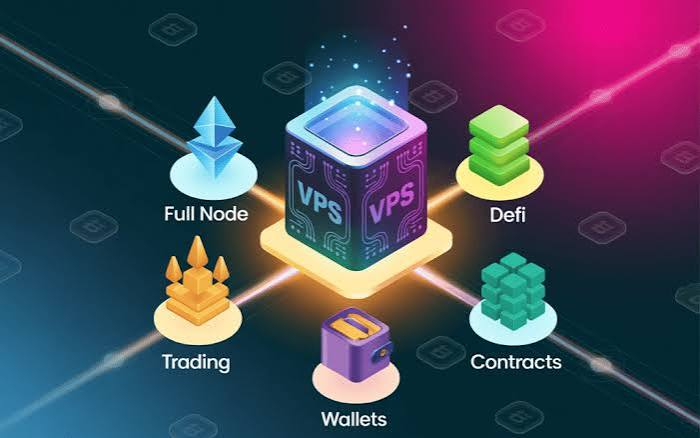

Many cryptocurrency traders eventually explore more than one automated trading strategy. One bot may monitor Bitcoin, another may follow selected alternative cryptocurrencies, and a third may manage a separate set of technical indicators. Running these applications on different personal computers can become difficult to manage. A single remote server can provide a centralized environment for multiple trading applications, making a crypto vps a practical option for traders who want to organize their automated systems.
A Virtual Private Server provides allocated computing resources, including CPU, RAM, storage, and network connectivity. Users can install compatible trading applications and manage them remotely. However, running multiple bots requires more planning than installing a single application. Traders need to consider resource allocation, software compatibility, API permissions, application isolation, monitoring, and security.
Assess Your Trading Software Requirements
The first step is to identify the trading bots you want to operate. Each application may have different system requirements and dependencies.
Some bots are lightweight scripts that use relatively little memory. Others may process large amounts of market data or run several strategies simultaneously. If you plan to operate multiple applications, you must consider their combined resource requirements.
A bitcoin vps may support a Bitcoin-focused bot, while additional applications may monitor other cryptocurrency markets. Before choosing a plan, check the minimum and recommended requirements of every application.
It is also important to identify whether the software supports Windows, Linux, or both. Installing an application on an incompatible operating system can create unnecessary technical problems.
Choose a VPS With Sufficient Resources
CPU and RAM are especially important when running multiple bots. Each application needs processing capacity to perform calculations, retrieve information, and manage its processes.
If the server has insufficient resources, applications may compete for memory and CPU time. This can cause slow responses, unexpected shutdowns, or unstable performance.
Storage should also be considered. Trading applications may generate logs, download historical market information, and store configuration files. A server with limited storage may eventually run out of available space.
A Crypto VPS should be selected according to the number and complexity of the applications. It is better to monitor actual usage than to purchase an unnecessarily large plan based on assumptions.
Organize Each Bot Separately
Keeping trading applications organized can make server management easier. Each bot should have its own configuration files, logs, and clearly defined settings.
For example, a trader operating three bots might use separate directories for each application. This helps prevent accidental changes to the wrong configuration and makes troubleshooting more straightforward.
Each application should also have a clear name. If the server runs several background processes, descriptive names make it easier to identify which bot is active.
Where supported, use separate software environments for applications with different dependencies. This can prevent one bot’s library updates from interfering with another application’s operation.
Configure Exchange API Connections Carefully
Automated bots usually communicate with cryptocurrency exchanges through API keys. These keys allow software to request account information and perform authorized actions.
Each bot should receive only the permissions it needs. A monitoring application may require read-only access, while a trading bot may need permission to place and manage orders.
Withdrawal permission should generally remain disabled for trading-only API keys. This reduces the potential consequences if an application’s credentials are exposed.
A bitcoin vps running several bots should not use one unrestricted API key for every application without considering the risks. Separate keys can make it easier to identify and revoke access when necessary.
Never share API credentials with unknown individuals or store them in publicly accessible files.
Avoid Resource Conflicts
Multiple bots may operate simultaneously, but they can compete for server resources. If one application suddenly uses excessive CPU or memory, other applications may become slower.
Resource monitoring helps identify these problems. Users should review CPU usage, memory consumption, disk space, and network activity.
If one bot regularly consumes too many resources, consider optimizing its configuration or moving it to a separate server. Upgrading the VPS may also be appropriate.
Traders should avoid running unnecessary applications in the background. Every additional service increases the overall workload and may introduce more maintenance requirements.
Use Process Management Tools
A trading application should not depend on an open remote desktop window to remain active. Depending on the operating system, users can use appropriate background services or process management tools.
On Linux, tools such as systemd or other process supervisors can help manage applications. They may be configured to start services automatically and restart them under defined conditions.
On Windows, users can configure supported applications to run as services or use suitable task management options.
The exact method depends on the trading software. Before enabling automatic restarts, confirm that the application can safely recover without repeating previously submitted orders.
Monitor Every Bot Individually
Running multiple applications makes monitoring especially important. A server may remain online while one particular bot has stopped working.
Users should monitor each application separately. Useful checks include process status, API connectivity, recent activity, error logs, and trading account information.
Alerts can help identify when an application becomes unavailable or fails to retrieve market information. These notifications should provide enough detail to identify the affected bot without exposing sensitive credentials.
A Bitcoin VPS can provide a centralized place for monitoring several Bitcoin-related tools, but traders still need a clear system for checking each application’s condition.
Maintain Backups and Recovery Plans
Configuration files, strategy settings, and important application data should be backed up regularly. If a server fails or an application becomes corrupted, backups can reduce recovery time.
Keep backup copies in a secure location separate from the VPS. Encrypt sensitive information and restrict access to authorized users.
A recovery plan should explain how to reinstall the software, restore configuration files, replace compromised API keys, and verify the exchange account’s current status.
Test the recovery procedure before depending on it. A backup that cannot be restored correctly may provide little practical protection.
Test Before Running Live Strategies
Before running several bots with real funds, test the complete setup in a demo or paper-trading environment when supported.
Confirm that every bot connects to the correct exchange, retrieves data, and follows its configured rules. Check whether one application affects the performance of another.
Simulate temporary network interruptions and server restarts where possible. Review how each bot handles errors and whether it can reconnect without creating duplicate orders.
Traders should also use sensible position limits and risk controls. Running several bots does not automatically diversify risk. Applications may share similar strategies or respond to the same market conditions.
Conclusion
Running multiple crypto trading bots on a VPS can provide a centralized and flexible environment for automated cryptocurrency activities. Success depends on selecting sufficient server resources, organizing applications, managing API permissions, monitoring processes, and preparing for interruptions.
A crypto vps can support several strategies when its CPU, RAM, storage, and network capacity are appropriate. A bitcoin vps may be suitable for Bitcoin-focused bots, while additional applications can be configured for other markets.
Before expanding a trading setup, test each application separately and then evaluate how they operate together. Careful resource management and security practices can help maintain a more organized environment, although no VPS configuration can guarantee trading profits or eliminate market risk.