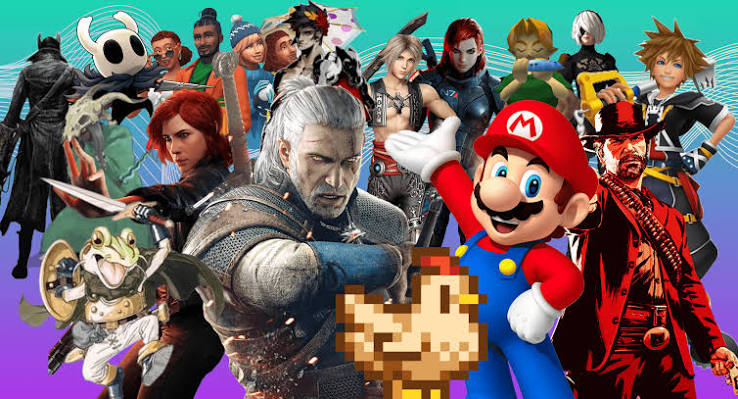

Entertainment has changed dramatically over the past few decades. What once meant gathering around a television, visiting an arcade, or sitting beside a friend with a controller has become something much bigger. Today, people can enter virtual worlds, big777slotbalikpapapn.app compete with strangers, build communities, and enjoy immersive experiences from almost anywhere. The rise of the online game has played a major role in this transformation, turning gaming from a simple pastime into a global form of entertainment.
The Early Days of Online Game Entertainment
The story began modestly. Early computer games were often simple, with basic graphics and limited interaction. Players might compete against a computer or connect with someone nearby. Internet connections eventually opened a new door.
Suddenly, players were no longer limited to the people sitting in the same room. They could challenge someone hundreds or thousands of miles away. It was an exciting idea at the time. Imagine sitting at home after school and discovering that your opponent lived on another continent. That feeling of connection helped shape the future of digital entertainment.
As internet speeds improved, games became more ambitious. Developers began creating larger worlds, better characters, and more complicated multiplayer experiences. Gaming slowly moved from isolated entertainment toward shared experiences.
How the Online Game Became More Social
One of the biggest changes has been the social side of gaming. In the past, playing a game often meant spending time alone. Today, that picture is very different.
Players talk through voice chat, exchange messages, form teams, and develop friendships. Some communities become incredibly close. A group that meets regularly for a few matches can eventually feel like a real social circle.
Consider a student who moves to a new city. Making friends can take time. Yet joining a familiar gaming community can provide an immediate sense of belonging. Players may not know each other personally, but shared goals create a natural connection.
This social element has made gaming more than a way to pass time. For many people, it has become a place to communicate, cooperate, laugh, compete, and create memories.
Mobile Devices Changed Everything
Another major turning point came with smartphones. Gaming was no longer tied to a desktop computer or expensive console. A person could open a game while commuting, waiting for an appointment, or relaxing at home.
This convenience changed player habits. Short gaming sessions became common. People could enjoy quick challenges without setting aside an entire evening.
Mobile technology also introduced gaming to audiences who had never considered themselves traditional gamers. Parents, office workers, students, and older adults all found accessible games that matched their interests.
Why does this matter? Because accessibility is one of the strongest forces behind the growth of digital entertainment. When entertainment fits naturally into everyday life, people are more likely to use it.
Better Technology, Bigger Experiences
Technology has continued to push gaming forward. Modern graphics can create remarkably detailed environments. Faster internet connections make multiplayer experiences smoother. Cloud technology has also made it easier to access games across different devices.
Virtual and augmented reality are adding another layer. Instead of simply watching a character move across a screen, players can feel more directly involved in the experience.
Imagine putting on a headset and stepping into a virtual environment where you can look around, interact with objects, and communicate with other players. It feels very different from the games of the past.
These developments show that gaming is not standing still. It continues to borrow ideas from film, social media, storytelling, and interactive technology.
The Rise of Competitive Gaming
Competitive gaming has also transformed the industry. What started as friendly competition among friends has developed into organized tournaments watched by large audiences.
Professional players train for hours. Teams develop strategies. Fans follow competitions and support their favorite players. Streaming platforms allow viewers to watch matches live and interact with communities while doing so.
This has created new opportunities for talented players, commentators, designers, and content creators. Gaming can now be both entertainment and a professional pursuit.
Still, competition is only one part of the picture. Many people play simply because they enjoy exploring a world, solving a puzzle, or spending time with friends.
Why Gaming Remains So Appealing
At its heart, gaming offers something people have always enjoyed: a chance to experience something different.
A game can make someone a hero, strategist, explorer, racer, builder, or teammate. It can offer a temporary escape from routine. After a long day at work, completing a difficult mission can feel surprisingly satisfying.
There is also the pleasure of progress. Players start with limited abilities and gradually improve. They learn from mistakes, develop skills, and see the results of their effort.
That simple cycle—try, fail, learn, and succeed—keeps people coming back.
What Comes Next?
The future of gaming will likely be shaped by even greater connectivity and personalization. Games may become more responsive to individual players. Virtual spaces could become more social. Cross-platform experiences may continue to remove barriers between devices.
Yet the most important part will remain the human experience. big777 Technology can improve graphics and performance, but memorable entertainment comes from emotion, challenge, discovery, and connection.
The evolution of the online game is ultimately a story about how people choose to play and connect. From basic multiplayer experiments to expansive digital worlds, gaming has traveled an extraordinary distance.
The next chapter is already beginning. For players, that means more worlds to explore, more people to meet, and plenty of new experiences waiting just beyond the screen. If you enjoy discovering new ways to play, keep exploring—the digital world still has many surprises ahead.