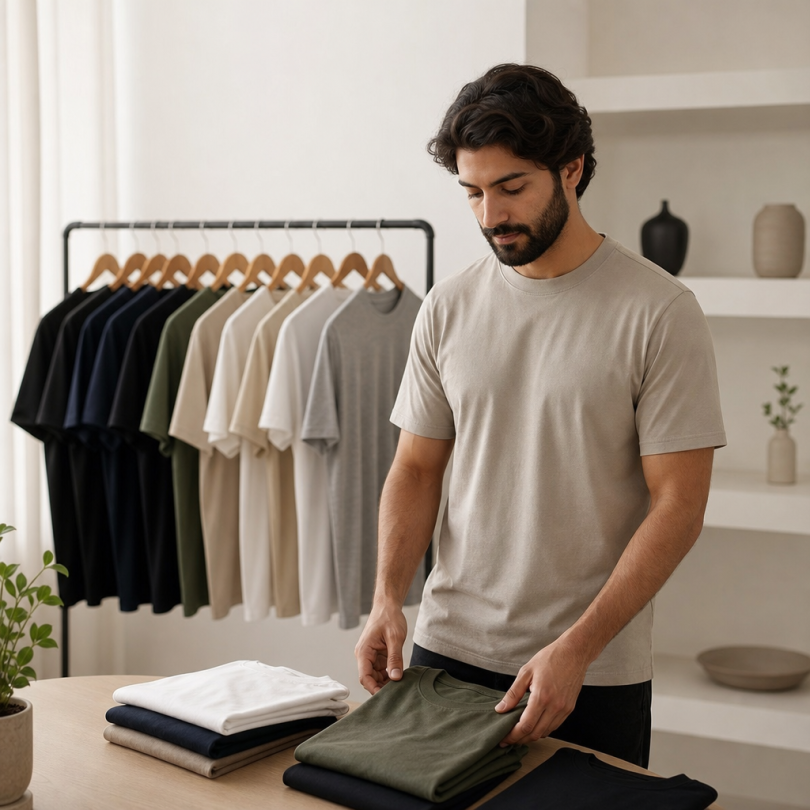

There is a quiet confidence that comes from wearing a well-fitted, quality t-shirt. It is not about labels or luxury price tags — it is about understanding that the basics of your wardrobe deserve as much thought as any tailored suit or statement piece. The modern man and woman alike have come to recognize the t-shirt not as a throwaway garment, but as a foundational element of personal style. Yet building a collection that is both versatile and affordable remains a challenge for many shoppers who do not know where to look or what to prioritize.
Why the T-Shirt Deserves More Credit Than It Gets
Walk into any well-curated wardrobe and you will find, almost without exception, a row of clean, simple t-shirts in neutral and complementary tones. This is not an accident. Stylists, fashion editors, and everyday dressers who have refined their approach over years all arrive at the same conclusion: the t-shirt is the most reliable garment in existence. It layers effortlessly under blazers, pairs naturally with denim or chinos, and transitions from casual to smart-casual with minimal effort. The key is not owning more t-shirts — it is owning the right ones.
What separates a great t-shirt from a forgettable one comes down to three factors: fabric quality, fit, and construction. A shirt that pills after two washes, stretches at the collar, or fits awkwardly across the shoulders will never serve you well regardless of its price point. Conversely, a shirt made with attention to these details will outlast trends, hold its shape, and become one of those pieces you reach for instinctively.
Understanding Fabric: The Foundation of Every Great Shirt
Cotton Remains King — But Not All Cotton Is Equal
When evaluating t-shirt fabric, cotton is still the benchmark. However, the type of cotton matters enormously. Combed and ring-spun cotton produces a softer, more durable fabric than standard cotton because the fibers are more tightly aligned and impurities are removed during processing. The result is a shirt that feels noticeably smoother against the skin and maintains its structure through repeated washing. For those who prefer a slightly more structured feel, a cotton-polyester blend can offer added durability and resistance to shrinkage, though it sacrifices some breathability.
Weight and Weave: Finding Your Preference
Fabric weight, measured in grams per square meter (GSM), determines how a shirt drapes and feels. Lightweight shirts in the 130–160 GSM range are ideal for warm climates and layering, while mid-weight options between 160–200 GSM offer a more substantial feel that many wearers associate with quality. Heavier shirts above 200 GSM are less common in everyday wear but are prized for their durability and premium appearance. Understanding your preference here will help you shop more deliberately and avoid disappointment.
Fit: The Variable That Changes Everything
Even the finest fabric is wasted on a poorly fitting shirt. Fit is the single most transformative element of any garment, and t-shirts are no exception. A shirt that fits well across the shoulders, sits cleanly at the chest without pulling, and falls to an appropriate length at the hem will always look intentional and polished. Conversely, a shirt that is too boxy, too long, or too tight across the torso will undermine even the most thoughtfully assembled outfit.
The good news is that fit preferences have expanded significantly in recent years. Slim fit, regular fit, relaxed fit, and oversized cuts all have their place depending on personal style and body type. What matters is that the fit you choose is deliberate rather than accidental. If you are exploring options that balance style with budget, browsing affordable fashion picks curated for real wardrobes can help you identify the cuts and styles that work best for your proportions without overspending.
Color Strategy: Building a Palette That Works Together
One of the most common mistakes people make when building a t-shirt wardrobe is chasing trends in color. A bright seasonal hue might feel exciting in the store but becomes difficult to pair within months. A more sustainable approach is to anchor your collection in neutrals — white, black, grey, navy, and olive — and introduce one or two accent colors that complement your existing wardrobe. This approach maximizes the number of outfits you can create from a relatively small number of pieces, which is both economical and practical.
Graphic tees and printed shirts have their place in a well-rounded wardrobe, but they require more careful coordination. A single graphic tee worn with clean, simple pieces can serve as a focal point of an outfit. Wearing multiple printed pieces simultaneously, however, tends to create visual noise that detracts from an otherwise considered look.
Fast Shirt Factory: Quality Basics at Scale
When it comes to sourcing quality t-shirts efficiently and affordably, few options match what Fast Shirt Factory brings to the table. Whether you are outfitting a team, building a brand, or simply stocking up on reliable everyday basics, the platform offers a streamlined approach to custom and bulk shirt production without sacrificing the quality that makes a shirt worth wearing. The ability to order at scale while maintaining consistent fabric standards and construction quality is a genuine advantage for anyone who has struggled to find a reliable supplier for high-volume needs.
How to Evaluate Quality Before You Buy
Stitching, Seams, and Finishing Details
Beyond fabric and fit, the construction details of a t-shirt reveal a great deal about its longevity. Double-stitched seams at the shoulders and sides are a reliable indicator of durability. A reinforced collar that lies flat without curling is another sign of quality construction. Hemlines should be even and consistent, and any printed or embroidered graphics should be applied cleanly without cracking or peeling at the edges. These are the details that separate a shirt you will wear for years from one that deteriorates after a season.
Reading Reviews and Trusting Verified Sources
When shopping online, verified reviews and editorial recommendations from trusted sources are invaluable. For a comprehensive breakdown of the best options currently available, this expert guide to the best t-shirts for men offers detailed assessments of top-performing shirts across a range of price points, helping you make informed decisions rather than relying on marketing language alone.
Caring for Your T-Shirts: Extending the Life of Every Piece
Even the best t-shirt will deteriorate prematurely without proper care. Washing in cold water, turning shirts inside out before laundering, and avoiding high-heat drying are simple habits that significantly extend the life of any garment. Folding rather than hanging t-shirts prevents shoulder distortion over time, and storing them away from direct sunlight reduces fading. These small practices compound over months and years into a wardrobe that maintains its quality and appearance far longer than average.
Conclusion: Invest in the Basics, Elevate the Whole
Building a t-shirt wardrobe that serves you well across seasons, occasions, and years is less about spending more and more about spending smarter. Understanding fabric, prioritizing fit, choosing colors strategically, and caring for your garments properly are the pillars of a wardrobe that works. The t-shirt, humble as it appears, is one of the most powerful tools in your style arsenal — and treating it with the same consideration you give to any other investment piece will always pay dividends in how you look and feel every day.