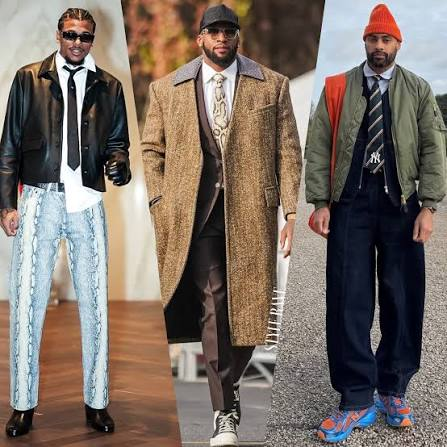

Steering seasonal shifts without overhauling an entire wardrobe remains a common challenge for men seeking both style and practicality. The key lies in selecting foundational pieces that adapt through strategic layering rather than purchasing separate collections for each season. By understanding which garments bridge temperature extremes and how to combine them effectively, building a functional year-round wardrobe becomes straightforward. The approach centers on fabric choices, versatile silhouettes, and a core color palette that eliminates guesswork while maintaining contemporary appeal.
Building a Versatile Wardrobe That Transitions Through Every Season
The foundation of an adaptable men’s wardrobe rests on selecting pieces that layer effectively and function across multiple climate conditions. Strategic investments in neutral-colored essentials create endless combination possibilities.
A quality denim jacket works over t-shirts in summer and under overcoats in winter. Lightweight merino wool sweaters regulate temperature year-round without bulk. Chinos in khaki, navy, and charcoal pair seamlessly with both casual and dressed-up looks across seasons.
The key lies in choosing breathable fabrics that accommodate layering. Oxford shirts shift from standalone summer wear to base layers beneath sweaters. Dark jeans maintain versatility through temperature changes when styled appropriately.
A well-fitted blazer elevates any outfit while providing moderate warmth. Canvas sneakers and leather boots anchor opposite ends of the seasonal spectrum, with desert boots bridging the gap between extremes.
Styling Beach Shirts for Comfortable and Effortless Warm-Weather Looks
When temperatures rise, beach shirts become essential components of a man’s warm-weather rotation, offering breathability and relaxed sophistication beyond their coastal origins. Men’s beach shirts made from lightweight linen or cotton are especially versatile, transitioning easily from seaside afternoons to casual dinners with only minor styling adjustments. These lightweight pieces pair effortlessly with chino shorts in neutral tones for weekend outings, while darker iterations match well with tailored linen trousers for evening gatherings. Cuban collar styles work particularly well when left unbuttoned over plain white tees, creating dimensional outfits without excessive layering.
The key to elevating beach shirts lies in fabric selection and fit. Linen and cotton blends provide superior airflow while maintaining structure. Patterns should complement rather than dominate, subtle prints in navy, olive, or terracotta integrate seamlessly into existing wardrobes. Rolling sleeves to three-quarter length adds visual interest, and finishing with minimal leather sandals or canvas sneakers maintains the intended casual aesthetic.
Layering Blank Hoodies for Practical and Stylish Cold-Weather Outfits
As temperatures drop, blank hoodies emerge as versatile foundational pieces that connect the gap between casual comfort and intentional style. Their minimalist design allows for strategic layering beneath structured jackets, denim, or wool overcoats without adding visual complexity.
A neutral-toned hoodie under a bomber jacket creates depth while maintaining a streamlined silhouette. For maximum versatility, select hoodies in charcoal, navy, or olive that complement existing outerwear. The hood itself provides practical warmth and textural contrast when worn under collarless jackets. Pair with dark denim and leather boots for a cohesive cold-weather ensemble.
The absence of graphics or branding guarantees these pieces remain adaptable across different styling contexts. This foundational approach to layering delivers functional warmth without sacrificing visual coherence, making blank hoodies essential for shifting and winter wardrobes.
Choosing Neutral Colors That Mix and Match Year-Round
Building a functional wardrobe begins with establishing a core palette of neutral colors that shift seamlessly across seasons and occasions. Navy, charcoal, olive, and beige serve as versatile foundations that pair effortlessly with each other and bolder accent pieces.
These tones work equally well in summer linens and winter wools, maintaining visual coherence throughout the year. A navy blazer complements khaki shorts in warm months and charcoal trousers when temperatures drop. Olive chinos adapt from pairing with white tees to layering under camel overcoats.
Neutral colors eliminate decision fatigue while maximizing outfit combinations. Five neutral basics create dozens of potential looks, reducing the need for extensive wardrobes. This approach proves particularly valuable for men seeking efficiency without sacrificing style, as neutrals inherently convey sophistication across professional and casual settings.
The Best Bottoms and Footwear for Every Season and Occasion
With a neutral color foundation established, selecting appropriate bottoms and footwear becomes the next priority for creating versatile seasonal outfits.
Chinos and dark denim serve as year-round staples that shift seamlessly between temperatures. Lightweight cotton chinos work for summer, while heavier twill versions provide warmth during colder months. Dark-wash jeans pair effectively with both casual and smart-casual looks across all seasons.
Footwear selection depends on weather conditions and formality requirements. Canvas sneakers and loafers suit warm weather, adapting to leather boots and closed-toe shoes as temperatures drop. Chelsea boots offer particular versatility, functioning appropriately from autumn through spring for both casual and dressy occasions.
Shorts remain summer-specific, with tailored options in neutral tones maintaining sophistication. For winter, wool-blend trousers add warmth while preserving a refined appearance suitable for professional settings.
How to Layer Clothing Without Sacrificing Comfort or Style
Mastering the art of layering requires understanding fabric weights and proportions to achieve both functionality and visual appeal.
Start with a breathable base layer like cotton or merino wool, then add mid-layers such as sweaters or lightweight jackets. The outer layer should provide protection while complementing the silhouette beneath. Fit is essential, base layers should be slim, mid-layers slightly relaxed, and outer layers roomy enough to accommodate everything without bulk.
Stick to complementary colors and avoid pattern clashes by limiting bold prints to one layer. Textures can vary between layers to add depth without overwhelming the outfit. Strategic layering allows quick adjustments for temperature changes throughout the day. Remove or add pieces as needed while maintaining a cohesive look that shifts seamlessly between indoor and outdoor environments.
Accessorizing Your Outfits to Suit Changing Weather and Trends
Accessories transform basic outfits into polished looks while serving practical functions across different seasons and style movements. Scarves provide warmth in winter while adding texture and color to neutral coats. Lightweight versions work for spring evenings without overheating.
Watches remain essential year-round, with leather bands suiting cooler months and metal or canvas straps complementing summer attire. Hats serve dual purposes: beanies retain heat during cold weather, while baseball caps and bucket hats shield from summer sun.
Sunglasses protect eyes regardless of season, with polarized lenses reducing glare off snow and water. Belts define proportions when layering bulky pieces, while bags, from leather briefcases to technical backpacks, accommodate seasonal necessities. Rotating accessories according to weather conditions and current trends keeps outfits fresh without requiring complete wardrobe overhauls.
Selecting Durable Fabrics That Perform Well in Different Climates
Fabric selection determines how well garments withstand repeated wear while maintaining comfort across temperature extremes. Merino wool regulates body temperature effectively, wicking moisture in summer while providing insulation during winter months. Cotton blends offer breathability and durability for everyday wear, though pure cotton loses shape faster than synthetic blends.
Technical fabrics like nylon and polyester dry quickly and resist wrinkles, making them ideal for travel and unpredictable weather. Denim weight matters, lighter 10-12 oz works for warmer seasons while 14-16 oz provides cold-weather protection. Canvas and twill maintain structure through multiple seasons without excessive wear.
Linen suits hot climates but wrinkles easily, requiring acceptance of its casual aesthetic. Performance fabrics incorporating elastane offer stretch and recovery, extending garment lifespan while maintaining fit through seasonal changes.
Creating Everyday Outfits That Balance Comfort, Function, and Timeless Style
Building a functional wardrobe requires selecting versatile pieces that shift seamlessly between activities and settings. Well-fitted jeans in dark washes pair effectively with casual button-downs or crew neck sweaters, creating outfits suitable for work and social occasions. Neutral-colored chinos offer similar versatility while providing a slightly elevated appearance.
Layering extends outfit functionality across temperature changes. A quality henley under a lightweight jacket works for cool mornings, while removing the outer layer accommodates warmer afternoons. Classic sneakers or leather boots anchor these combinations without drawing excessive attention.
Prioritizing fit guarantees comfort throughout extended wear. Garments should allow unrestricted movement without appearing oversized. Simple color palettes, navy, gray, olive, and tan, enable mixing pieces without requiring extensive planning. This approach minimizes decision fatigue while maintaining a polished appearance regardless of season or occasion.