

Introduction
Fashion is more than just clothing; it reflects our values, lifestyle, and choices. In recent years, eco-friendly fashion trends have gained significant attention as people become more aware of environmental issues. From reducing waste to supporting ethical production, these trends are transforming the way we think about style. Instead of fast fashion that harms the planet, consumers are now shifting toward sustainable alternatives that promote long-term benefits.
Eco-friendly fashion trends are not just a passing phase. They represent a deeper movement toward conscious living. Many brands and designers are embracing sustainability by using organic materials, reducing carbon footprints, and ensuring fair labor practices. As a result, consumers now have more options to look stylish without compromising the environment.
For beginners and intermediate readers, understanding these trends can open the door to smarter fashion choices. Whether it’s choosing recycled fabrics or investing in timeless pieces, every small step contributes to a greener future. This article explores eco-friendly fashion trends that transform not only wardrobes but also the planet. By the end, you will have a clear understanding of how to embrace sustainable fashion in a practical and stylish way.
What is Eco-Friendly Fashion Trends That Transform?
Eco-friendly fashion trends that transform refer to sustainable practices in the fashion industry that aim to reduce environmental impact. These trends focus on using eco-conscious materials, ethical production methods, and long-lasting designs. Unlike fast fashion, which encourages overconsumption, eco-friendly fashion promotes mindful purchasing and durability.
At its core, this concept revolves around three main principles: sustainability, ethics, and innovation. Sustainability involves using materials like organic cotton, bamboo, and recycled fabrics. Ethics ensure fair wages and safe working conditions for workers. Innovation includes new technologies such as biodegradable textiles and water-saving dye processes.
Moreover, eco-friendly fashion trends that transform encourage consumers to rethink their habits. Instead of buying cheap, short-lived clothing, people are choosing quality items that last longer. Thrift shopping, clothing swaps, and upcycling are also becoming popular as part of this movement.
Why is Eco-Friendly Fashion Trends That Transform Important?
The importance of eco-friendly fashion trends that transform lies in their ability to address major environmental and social issues. The fashion industry is one of the largest polluters in the world. It contributes to water pollution, textile waste, and excessive carbon emissions. Therefore, adopting sustainable practices can significantly reduce these negative effects.
Firstly, eco-friendly fashion helps conserve natural resources. Traditional clothing production uses large amounts of water and chemicals. In contrast, sustainable materials require fewer resources and are less harmful.
Secondly, it supports ethical labor practices. Many fast fashion brands rely on cheap labor, often under poor working conditions. Eco-friendly brands prioritize fair wages and safe environments, which improves workers’ lives.
Additionally, eco-friendly fashion trends that transform promote a circular economy. This means reusing, recycling, and reducing waste. As a result, fewer clothes end up in landfills.
Finally, these trends encourage mindful consumption. Instead of buying impulsively, consumers think carefully about their purchases. This not only saves money but also reduces environmental impact.
Detailed Step-by-Step Guide
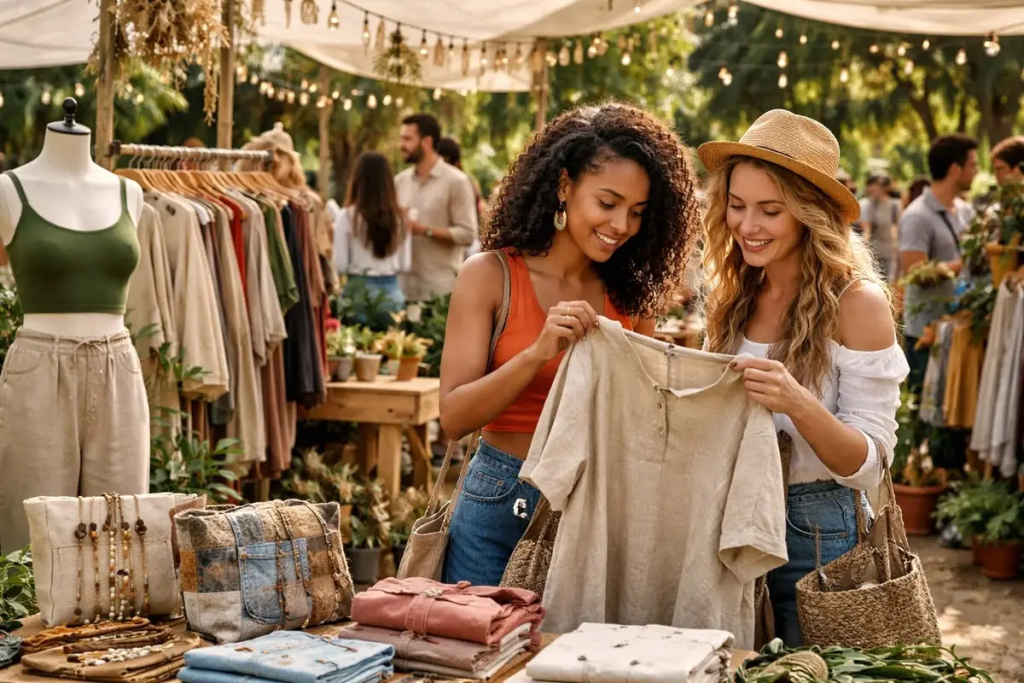
Step 1: Understand Sustainable Fabrics
Start by learning about eco-friendly materials. Common options include:
- Organic cotton
- Bamboo fabric
- Hemp
- Recycled polyester
These materials are produced with minimal environmental impact. Choosing them is the first step toward embracing eco-friendly fashion trends that transform.
Step 2: Choose Quality Over Quantity
Instead of buying many cheap items, invest in high-quality clothing. Durable pieces last longer and reduce waste. For example, a well-made jacket can last years compared to fast fashion alternatives.
Step 3: Support Ethical Brands
Research brands that follow ethical practices. Look for certifications or transparency in their production process. Supporting such brands encourages the industry to adopt better standards.
Step 4: Practice Thrifting and Upcycling
Thrift stores offer unique and affordable clothing options. Upcycling, on the other hand, allows you to transform old clothes into new designs. Both methods reduce waste and promote creativity.
Step 5: Build a Capsule Wardrobe
A capsule wardrobe consists of versatile pieces that can be mixed and matched. This approach reduces the need for excessive clothing while maintaining style.
Step 6: Care for Your Clothes Properly
Proper care extends the life of your clothing. Wash with cold water, avoid over-washing, and repair minor damages instead of discarding items.
Step 7: Recycle and Donate
When you no longer need clothing, donate or recycle it. Many organizations accept used clothes and give them a second life.
Benefits of Eco-Friendly Fashion Trends That Transform
- Reduces environmental pollution
- Conserves natural resources
- Supports ethical labor practices
- Promotes long-lasting clothing
- Encourages mindful spending
- Reduces textile waste
- Enhances personal style with unique pieces
- Supports innovation in sustainable design
Disadvantages / Risks
- Higher initial cost compared to fast fashion
- Limited availability in some regions
- Requires research and awareness
- Some brands may engage in greenwashing
- Fewer trendy options in certain categories
Common Mistakes to Avoid
Many people make simple mistakes when trying to adopt eco-friendly fashion trends that transform. One common error is focusing only on price. While sustainable clothing may seem expensive, it offers long-term value.
Another mistake is falling for greenwashing. Some brands claim to be eco-friendly without real proof. Always verify their practices before purchasing.
Additionally, buying too many “sustainable” items defeats the purpose. The goal is to reduce consumption, not replace it with excessive eco-friendly purchases.
Ignoring clothing care is also a problem. Even sustainable clothes can wear out quickly if not maintained properly.
Lastly, people often overlook second-hand options. Thrifting is one of the most effective ways to practice sustainability, yet many ignore it.
FAQs
1. What are eco-friendly fashion trends that transform?
They are sustainable practices in fashion that reduce environmental impact and promote ethical production. These trends focus on using eco-friendly materials and mindful consumption.
2. Are eco-friendly clothes expensive?
Initially, they may cost more than fast fashion. However, their durability makes them cost-effective in the long run.
3. How can beginners start with sustainable fashion?
Start by buying fewer clothes, choosing quality items, and exploring thrift stores. Small changes can make a big difference.
4. What is greenwashing in fashion?
Greenwashing occurs when brands falsely claim to be eco-friendly. It is important to research and verify their claims.
5. Can eco-friendly fashion be stylish?
Yes, sustainable fashion offers a wide range of stylish options. Many designers focus on both aesthetics and sustainability.
6. Why is fast fashion harmful?
Fast fashion leads to excessive waste, pollution, and unethical labor practices. It encourages overconsumption and short product lifecycles.
Expert Tips & Bonus Points
To fully embrace eco-friendly fashion trends that transform, consider adopting a minimalist mindset. Focus on what you truly need rather than following every trend. This approach not only reduces waste but also simplifies your lifestyle.
Another useful tip is to learn basic clothing repair skills. Fixing small issues like loose buttons or minor tears can extend the life of your garments.
Additionally, stay informed about new sustainable innovations. The fashion industry is constantly evolving, and new eco-friendly solutions are emerging.
You can also experiment with renting clothes for special occasions. This reduces the need to buy items that you may only wear once.
Conclusion
Eco-friendly fashion trends that transform are reshaping the way we approach clothing and style. They offer a practical solution to some of the biggest challenges facing the fashion industry today. By focusing on sustainability, ethics, and innovation, these trends provide a path toward a more responsible future.
Adopting eco-friendly fashion does not require drastic changes. Simple steps like choosing quality over quantity, supporting ethical brands, and caring for your clothes can make a significant difference. Over time, these small actions add up and contribute to a healthier planet.
Moreover, sustainable fashion empowers consumers to make informed decisions. It shifts the focus from fast, disposable clothing to meaningful and lasting choices. This not only benefits the environment but also enhances personal style and confidence.